Black Bayou Lake: A First-Visit Guide
Start with the refuge, not the building
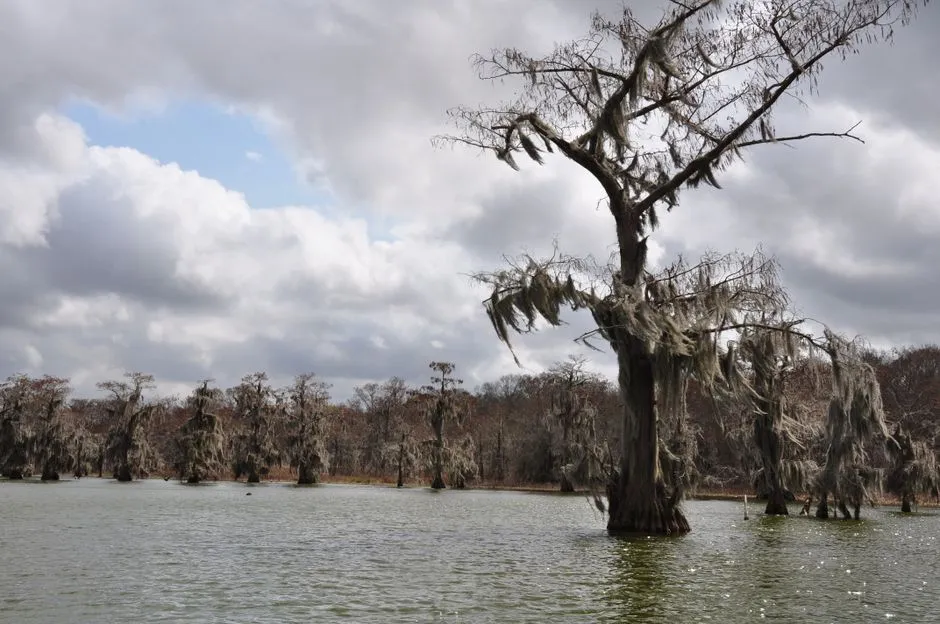
Black Bayou Lake National Wildlife Refuge sits within Monroe, Louisiana, and offers an unusual transition from city streets to lake, wetland, and bottomland forest. For a first visit, plan around the outdoor refuge rather than assuming the visitor-center building will be open. The US Fish and Wildlife Service warns that building hours may vary with volunteer availability; check the refuge's contact and update page before making an indoor stop essential.
Outdoor access has its own posted hours and can be affected by closures, weather, hunting activity, or habitat management. Read the current official alert, map, and signs on arrival. A screenshot from last year is not a ranger, however confidently it lives in your camera roll.
Choose a route before choosing a distance
The most straightforward first visit combines the Nature Trail area with the Wildlife Pier. The refuge identifies both as signature experiences, with views across the lake and opportunities for wildlife observation. This approach favors looking over mileage and can fit into a shorter stop.
Visitors seeking a surfaced route can consider the concrete Arboretum Trail and Prairie Trail. The official trail directory also identifies wheelchair- and stroller-suitable routes, including the Wildlife Pier and other short paths. “Accessible” is not a complete description of every person's needs, so check current surfaces, parking, restrooms, barriers, and construction directly with refuge staff when those details determine the visit.
The Edgewater Trail provides a longer, more primitive option. The refuge notes that some sections can hold water after rain and recommends water, insect repellent, or long pants. Choose it only with enough daylight, suitable footwear, and an official map. Do not infer that every mapped trail is open to every activity on the day you arrive.
For a broader city day, connect the outing with our first-timer's Monroe itinerary.
Pack for North Louisiana conditions
Bring drinking water even for a short route. Add sun protection, insect repellent, and weather-appropriate layers. Closed-toe walking shoes are the practical default when leaving paved surfaces. After rain, expect wet or muddy ground on primitive sections rather than negotiating with it in optimistic sandals.
Check heat, storms, and air-quality information before leaving. Thunder means getting off exposed piers and water, not finishing one heroic photograph. If conditions exceed your comfort or ability, use a short surfaced route, postpone, or enjoy the lake view from an appropriate developed area.
Carry out everything you bring. The refuge specifically prohibits litter, including balloons, glitter, and confetti used in photo shoots. Nature has supplied its own visual effects and is not requesting craft-store assistance.
Watch wildlife without directing the scene
Move quietly, scan edges and open water, and allow time for your eyes to adjust. Binoculars can improve the view without reducing an animal's space. Never feed, touch, corner, or pursue wildlife. Stay on authorized routes and obey closures that protect habitat.
Louisiana wetlands are habitat for animals that deserve distance, including alligators and snakes. Do not stand between an animal and the water, crowd a basking animal, or approach young wildlife. If an animal changes direction, posture, or behavior because of you, increase the distance. Ask refuge staff about current safety guidance rather than relying on social-media tricks.
Photography is a recognized refuge activity, but the image never outranks the animal's welfare or a posted boundary. Drones are prohibited. A long lens and patience are better tools than walking closer.
Know the main rules before arrival
Under the refuge's visitor information, camping and overnight stays are not permitted. Dogs are welcome when well behaved but must remain leashed, and owners must remove waste. Bicycles are allowed only in specified areas and are excluded from several boardwalks and surfaced trails. Boating, fishing, and hunting have activity-specific requirements; consult current regulations and permits before participating.
Do not copy a general rule from one national wildlife refuge to another. Local habitat, seasons, and management differ. At Black Bayou, signs and current refuge publications control.
Use a simple first-visit sequence
On arrival, read the main kiosk and photograph the current map for navigation. Confirm which routes are open. Walk a short trail before the pier so you can adjust for heat, insects, footing, and the group's energy. Pause at the lake, then decide whether to extend the visit rather than committing to a long loop immediately.
Before leaving, check shoes and gear for mud and unwanted hitchhiking seeds, dispose of waste properly, and note the season and conditions. A return in different weather or migration timing may feel like a different place.
Find more practical routes in nature near town and pair them with slower city plans. The refuge rewards attention more reliably than speed, and attention weighs less than another bag of equipment.